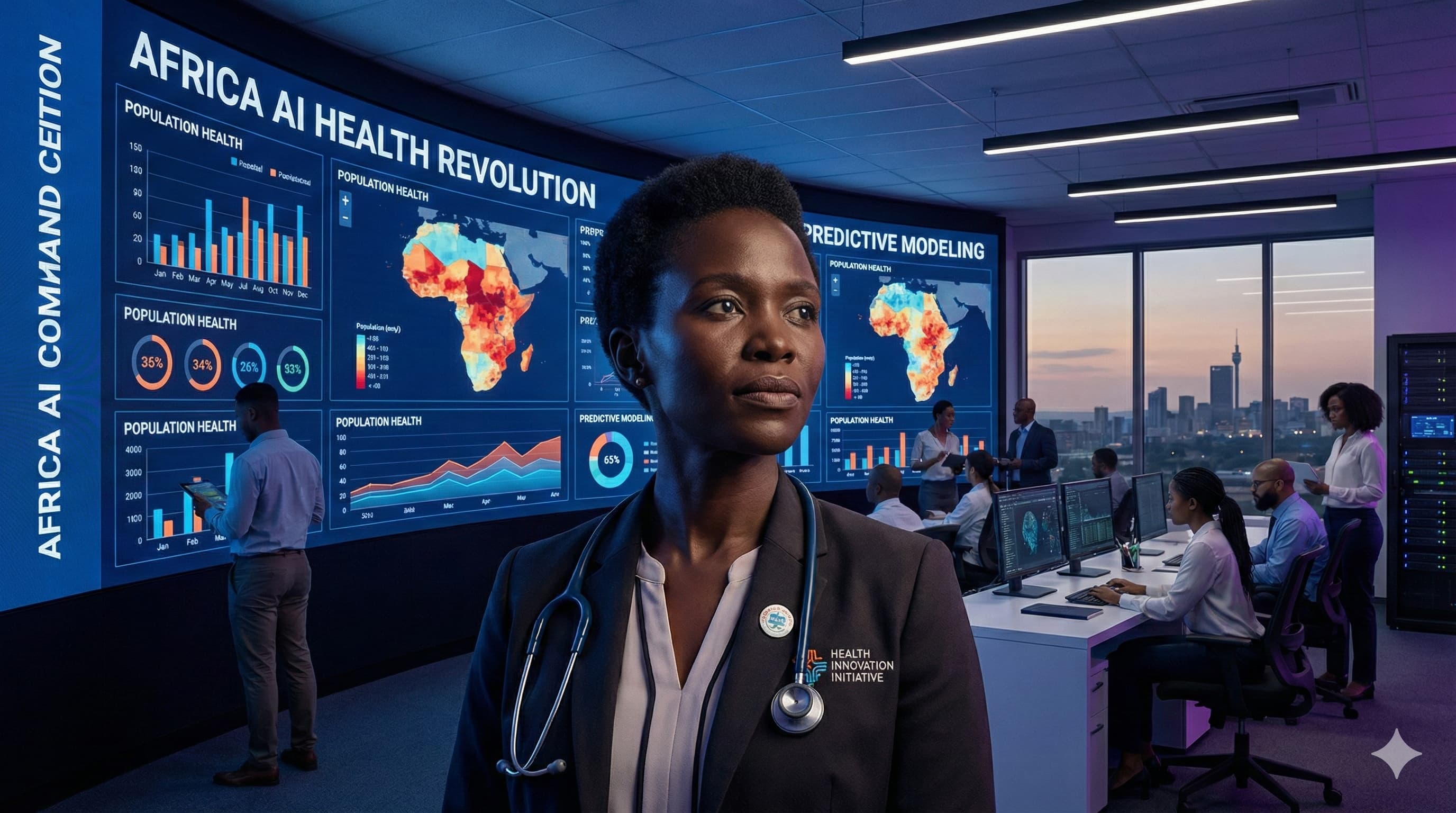
South Africa's healthcare system operates in two distinct worlds. Private sector patients access specialist care comparable to developed countries. Public sector facilities serve 84% of the population with a fraction of the resources. AI offers the potential to improve quality in both — augmenting private practice efficiency while extending expertise into resource-limited public settings.
Private Practice Applications
For private pediatricians managing medical aid complexity, load-shedding disruptions, and increasing patient expectations, AI offers efficiency gains. Documentation assistance reduces time spent on clinical notes, allowing more face-time with patients. Decision support systems catch potential drug interactions and contraindications that busy physicians might miss. Automated coding suggestions improve billing accuracy and reduce rejections.
AI-powered analytics can help private practices identify operational improvements — appointment slots that consistently run late, conditions that generate high rates of follow-up visits, patterns suggesting inefficient care pathways. This operational intelligence supports practice sustainability in a challenging economic environment.
Public Sector Force Multiplication
In public facilities where one medical officer might cover pediatrics along with multiple other disciplines, AI decision support offers different value. Tools that help generalist physicians recognize which children need specialist referral, identify danger signs in common conditions, and follow evidence-based protocols can improve outcomes even without increasing specialist staffing.
The IMCI (Integrated Management of Childhood Illness) approach already uses algorithmic decision support for childhood illness management. AI can enhance IMCI implementation — embedding guidelines into workflow, tracking adherence, and identifying patients who aren't responding as expected to standard treatment.
POPIA-Compliant AI
South Africa's Protection of Personal Information Act imposes strict requirements on health data processing. AI systems must demonstrate compliance — data minimization, purpose limitation, and enhanced protection for children's information. The regulatory framework is stringent but provides clarity for AI developers and healthcare providers.
AI systems designed with POPIA compliance from the start — processing data locally where possible, minimizing data transmission, implementing strong access controls — can navigate these requirements while delivering clinical value. Privacy and AI capability aren't inherently in conflict, but they must be designed together.
NHI and AI Opportunity
National Health Insurance implementation will require quality assurance mechanisms for contracted providers. AI systems that track clinical quality metrics, identify variation from evidence-based practice, and flag potential issues can support the quality oversight that NHI will demand. Practices with these capabilities position themselves for NHI contracting.
South African AI Research
South African universities and research institutions are increasingly engaged in health AI development. Collaborations between AI researchers and clinical practitioners ensure that tools developed address real clinical needs. Pediatricians who engage with this research ecosystem shape how AI develops for South African healthcare.
—
Pediascrybe delivers POPIA-compliant AI for South African pediatrics. ScrybeGPT clinical decision support, automated documentation, and NHI-ready quality metrics help practices thrive in both private and public sectors. Learn more at pediascrybe.com.